Best Recovery Methods Compared:
Infrared vs Compression, Massage & Cold Exposure

Steve Hoyles
A Scientific Comparison for Modern Sports Performance
In sport and high-performance environments, recovery is not simply about reducing soreness — it is a critical determinant of training quality, athlete availability, and long-term adaptation.
Across endurance, team, and power-based sports, accumulated fatigue presents through:
- muscle damage
- impaired neuromuscular function
- inflammation
- reduced tissue oxygenation
- compromised recovery capacity between sessions
For performance staff and athletes alike, recovery strategies must therefore be effective, repeatable, and scalable within real-world training environments.
This article compares four widely used recovery modalities — compression garments, massage, cold water immersion, and infrared (FIR) clothing — drawing on peer-reviewed research to evaluate:
- mechanisms of action
- timing and application
- practical constraints
- performance relevance
What Effective Recovery Needs to Address
Regardless of sport, post-exercise recovery must target key physiological systems:
- Restore circulation and tissue oxygenation
- Accelerate metabolite clearance and reduce inflammation
- Reduce delayed onset muscle soreness (DOMS) and fatigue
- Support neuromuscular function and readiness
- Integrate into busy training, travel, and competition schedules
Each recovery modality targets different parts of this system — with varying levels of effectiveness and practicality.
1. Compression Garments: Mechanical Support with Moderate Benefits
Compression garments apply external pressure to enhance venous return, reduce swelling, and stabilise muscle tissue.
What the science shows:
Meta-analyses demonstrate small to moderate improvements in recovery, particularly:
- reduced perceived soreness
- improved strength recovery (24–48 hours post-exercise)
Strengths:
- Useful immediately post-exercise
- Effective during travel and inactivity
- Simple to integrate into routines
Limitations:
- Benefits are largely mechanical and perceptual
- Limited effect on deeper physiological recovery processes (oxygenation, cellular repair)
- Effects plateau with prolonged use
2. Massage: High Impact for Soreness, Low Scalability
Massage — manual or percussive — works primarily through neural and circulatory effects, reducing muscle sensitivity and perceived fatigue.
What the science shows:
Large meta-analyses consistently show strong reductions in DOMS and perceived fatigue, particularly in the 24–72 hour window.
Strengths:
- Highly effective for soreness reduction
- Valuable during heavy training blocks or competition phases
Limitations:
- Time-intensive and resource-dependent
- Requires practitioners or significant self-application
- Difficult to scale across full squads or frequent use
3. Cold Water Immersion (CWI): Effective but Time-Limited
Cold exposure reduces soreness via vasoconstriction, inflammation modulation, and altered pain signalling.
What the science shows:
- Effective at reducing soreness and perceived exertion immediately post-exercise
- Benefits strongest within the first 24 hours
Strengths:
- Rapid relief in acute fatigue scenarios
- Useful during congested competition schedules
Limitations:
- Effects are short-lived
- Frequent use may blunt long-term adaptation (strength, hypertrophy, mitochondrial signalling)
- Low compliance and limited practicality in travel scenarios
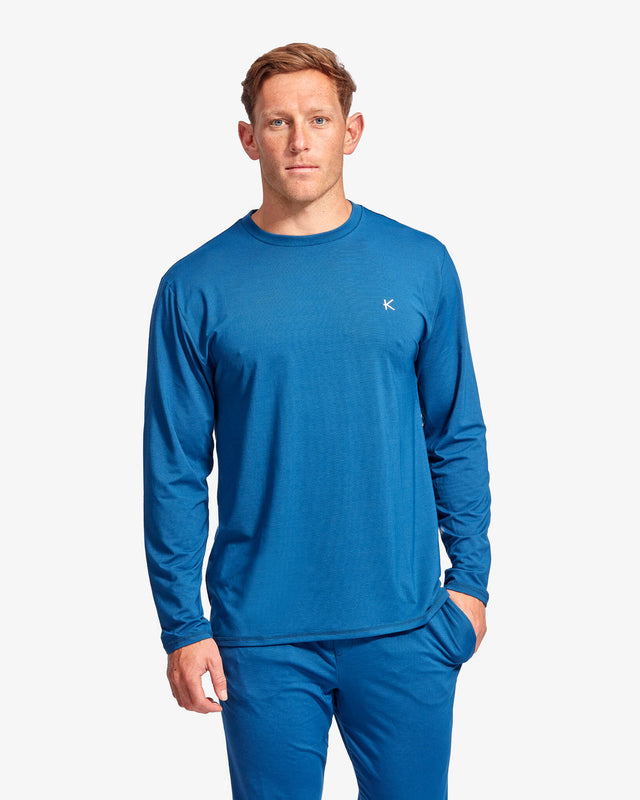
4. Infrared (FIR) Clothing: Passive, Continuous Physiological Recovery
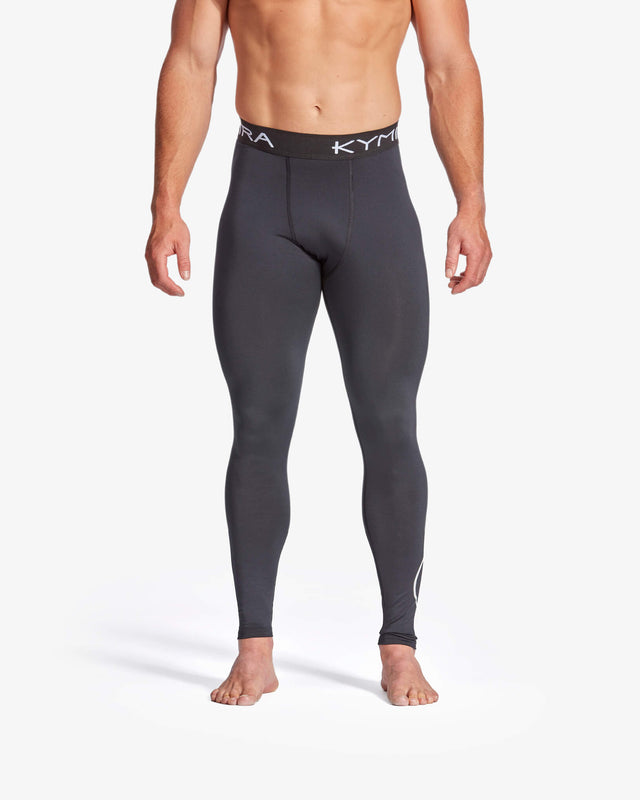
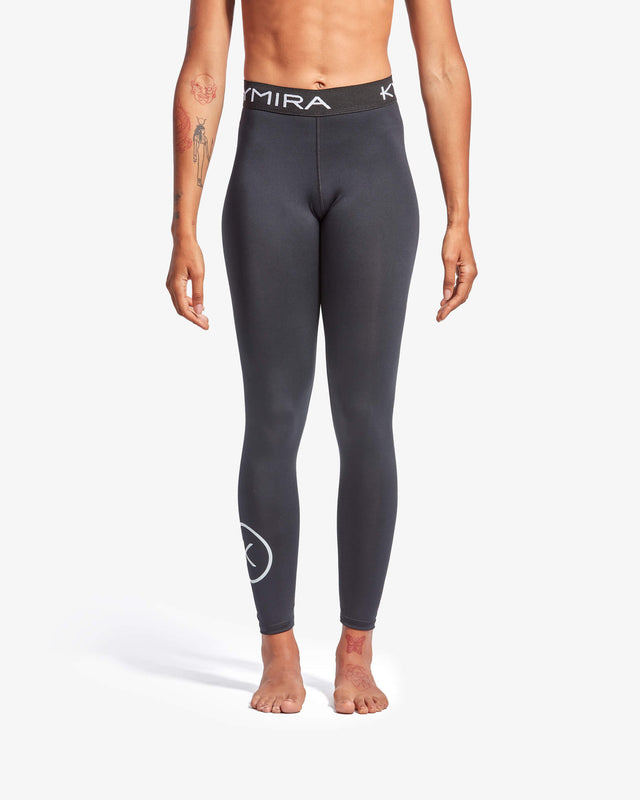
Infrared garments use bio-ceramic technology to convert body heat into far-infrared wavelengths, which interact with tissue to support recovery processes.
Mechanism:
- Stimulates nitric oxide (NO) production
- Enhances microcirculation and oxygen delivery
- Supports mitochondrial function and ATP production
What the science shows:
- Increased tissue oxygenation and blood flow
- Improved neuromuscular recovery metrics within 24–48 hours
- Reduced muscle soreness and improved perceived readiness
Strengths:
- Passive and continuous — works without intervention
- Extends recovery into sleep, travel, and downtime
- No scheduling, equipment, or additional load required
- Scales easily across individuals and teams
Limitations:
- Effects are cumulative rather than immediate
- Best used as a foundation, not a single-session solution
Practical Comparison: When Each Method Works Best
Compression garments
Best for managing swelling and perceived recovery
Most effective immediately post-exercise or during travel
Useful as a low-effort baseline layer, but with limited deeper physiological impact
Massage (manual or percussive)
Best for reducing DOMS and localised muscle soreness
Most effective in the 24–72 hour recovery window
Ideal when targeted intervention is needed, but time and resource intensive
Cold water immersion (CWI)
Best for acute pain relief and inflammation control
Most effective immediately after high-intensity or contact-based efforts
Useful in tournament or congested schedules, but benefits are short-lived and not suited for daily use
Infrared (FIR) garments
Best for supporting circulation, oxygenation, and neuromuscular recovery
Most effective when used continuously across the full recovery window (including sleep and travel)
Provides a passive, scalable recovery foundation without adding time, logistics, or compliance burden
Real-world proof
In an applied athletic study with University of Texas athletes, wearing KYMIRA infrared only during sleep delivered…
15.9 % improvement in sleep quality
15.8 % reduction in fatigue
13.6 % reduction in soreness
…all within the first few nights.
A separate 2025 peer-reviewed placebo-controlled study (University of Notre Dame)
using KYMIRA-style FIR garments post-resistance exercise found highly significant improvements in neuromuscular recovery at 48 h (p < 0.001), better jump metrics at 24 h, and faster subjective readiness to train, exactly what racers need between hard efforts. [6]
Building a Recovery Strategy That Actually Works
No single modality addresses the full recovery process.
However, the most effective strategies follow a clear structure:
1. Immediate (0–2 hours post-exercise)
- Cold or compression for acute soreness/swelling
- Begin infrared exposure early for ongoing recovery
2. 24–72 hours (peak fatigue window)
- Massage for targeted soreness relief
- Infrared provides continuous background recovery
3. Daily / high-load / travel
- Infrared as the primary recovery layer
- Minimal disruption, maximum consistency
Why Infrared Is Emerging as Recovery Infrastructure
In modern performance environments, the biggest constraint is not knowledge — it is time, compliance, and scalability.
Traditional recovery methods:
- require scheduling
- require access
- require athlete compliance
- often interrupt workflows
Infrared changes this dynamic by shifting recovery from: “something athletes do" to
“something that happens continuously”
Conclusion: From Tools to Embedded Recovery Systems
Compression, massage, and cold exposure all offer valuable, evidence-based benefits — particularly for short-term soreness and acute fatigue management.
However, infrared recovery introduces a different category:
Continuous, passive physiological support that operates across the entire recovery window — not just isolated sessions.
For athletes and teams seeking:
- consistent availability
- improved recovery between sessions
- scalable performance systems
the most effective approach is: Use infrared as the foundation. Layer other modalities strategically when needed.
Final Thought
In elite sport, the goal is not to recover occasionally —
it is to recover continuously, without interruption to performance or preparation.
That is where recovery moves from intervention to infrastructure.