Case Study: Philadelphia Flyers

IAN MCKEOWN
VP of Athlete Performance & Wellness
Team Deployment
Training, Recovery, Travel, Sleep
Daily use
“While athletes are travelling, sitting around in hotels, or sleeping,
KYMIRA is still working for them.””
Ian McKeown
VP of Athlete Performance & Wellness, Philadelphia Flyers
PROBLEM TO SOLVE
• Heavy collision and high speed load.
• Soft-tissue fatigue and micro-trauma.
• Restricted recovery between sessions.
• Travel-induced circulation issues.
• Compromised sleep quality.
• Difficulty maintaining consistent recovery routines.
• Requirement for portable, scalable, low friction recovery systems that work in hotel rooms, on flights, during sleep, and between training blocks.
• Athlete unhappiness with using compression based garments, uncomfortableness, not sleep friendly, not suited to joint/tendon recovery. There was low long-term compliance and the team wanted a different option
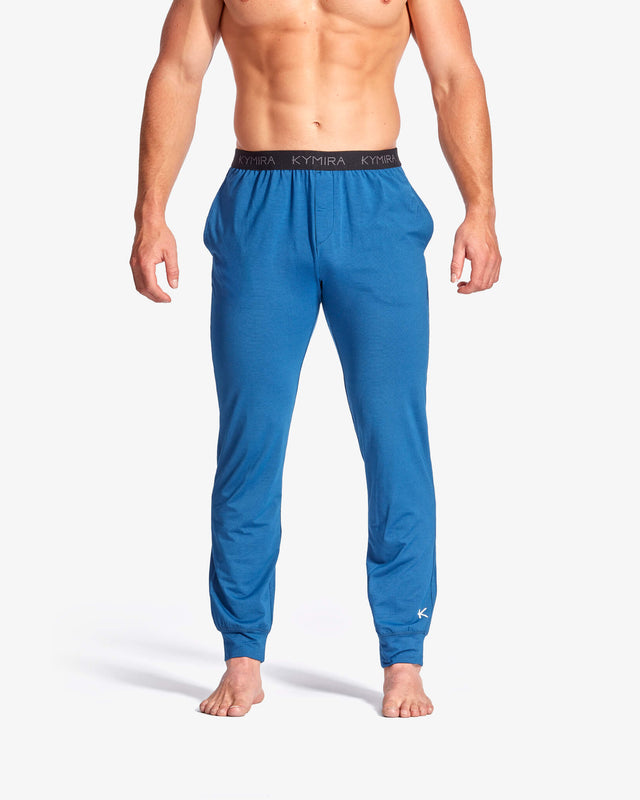
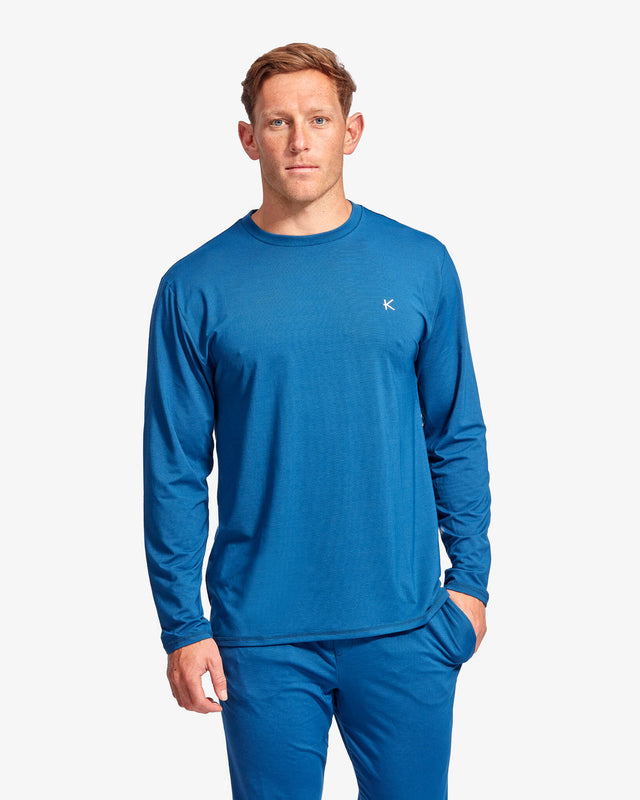
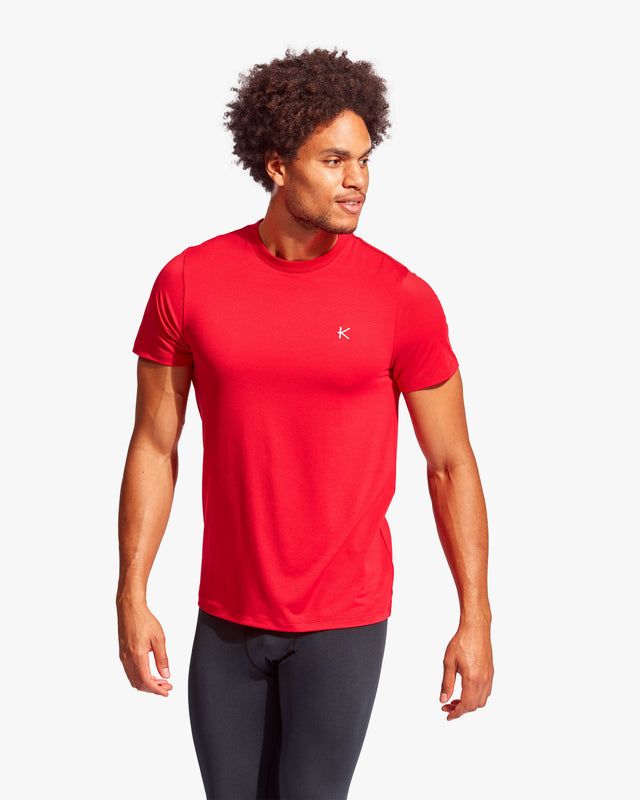
“Most recovery garments are compression based and very uncomfortable, so they’re not sustainable. Being able to get rid of that and just wear normal clothes — but superpowered — is a no brainer."
Ian McKeown
VP of Athlete Performance & Wellness, Philadelphia Flyers
KYMIRA INTERVENTION PROTOCOL
KYMIRA garments were used during:
• Travel: worn on flights, buses, and transfer days
• Sleep: overnight wear for extended FIR exposure
• Downtime: passive recovery between training sessions
• Hotel Rest: recovery without equipment or staff
• Training: replacing uncomfortable compression garments
• Strategic pillars of: daily readiness, sustained training quality, supporting travel-disrupted recovery, low-friction and high athlete compliance recovery methods.
IMPLEMENTATION NOTES
• Give athletes multiple garments to increase daily wear time
• Encourage sleep based infrared exposure
• Use in joint/tendon cases where non compression is important
• Let athlete led adoption drive uptake
RESULTS
• Performance benefits from first use in comfort, tissue quality and recovery.
• High compliance and daily integration from athletes because it was comfortable like normal clothing and could be used in all lifestyle domains - travel, sleep, hotel downtime.
• Faster recovery between sessions
• Recovery support without extra workload
• Elevated readiness on waking
• Reduced injury exposure
• Better tissue comfort during travel
• Stronger long term athlete availability
• Higher cumulative recovery load during sleep
“It’s about protecting the longevity of an athlete’s career and keeping them available. The bigger piece is reducing their likelihood of being injured and giving them an extra gear so they can push themselves harder.”
Ian McKeown
VP of Athlete Performance & Wellness, Philadelphia Flyers


CLINICAL EVIDENCE SUPPORT
The recovery, comfort, and readiness effects described in this case study align closely with controlled infrared textile findings. Increases in local circulation and tissue oxygenation (tcPO₂) of ~5–8% within 30–90 minutes, reported across FIR research including Gordon et al. (2019) and Djuretić et al. (2021), provide a clear mechanism for faster metabolite clearance, smoother tissue feel, and reduced post session stiffness — a pattern consistent with the passive recovery benefits athletes describe. Peer reviewed trials, most notably Lever et al. (2025), show highly significant 24–48 h improvements in neuromuscular performance (e.g., CMJ metrics, take off velocity, eccentric RFD, mRSI), supporting the observed ability to rebound rapidly between high load sessions or back to back competition days. The travel related benefits athletes report — less stiffness, better leg feel, easier movement after long sits — map directly onto FIR induced vasodilation, circulation enhancement, and increased oxygen availability, while laboratory findings such as the anti inflammatory and analgesic signalling effects described by Djuretić et al. (2021) further explain reduced soreness and improved comfort after collisions or extended travel.
Finally, athletes’ reports of “more energy” and “less fatigue” align with sport physiology studies showing lower sub maximal oxygen cost (VO₂) during steady state work in FIR garments, as seen in Washington et al. (2018) and Worobets et al. (2015), alongside nitric oxide driven vasodilation and mitochondrial/angiogenic signalling associated with FIR exposure — mechanisms that underpin ATP production, endurance type energy, and session to session capacity across congested competitive weeks.
Selected References: Washington et al., 2018; Gordon et al.,2019; Worobets et al., 2015; Djuretić et al., 2021; Lever et al., 2025.