


HRV, Sleep & Infrared - Integrating Wearable Tech to Improve HRV & Manage Athlete Fatigue

Steve Hoyles
In a world where access to high-quality equipment and cutting-edge training methodologies is open to most, athletes and coaches have to go the extra mile to improve performance.
Indicative of this, the American College of Sports Medicine's (ACSM) worldwide survey of fitness trends for 2026 places wearable technology firmly at the top of the list for the third year running. [1]
This suggests the focus is moving towards both monitoring live information and keeping track of round-the-clock physiological data points.
It reflects a growing recognition among athletes and strength and conditioning coaches that data-driven insights can optimise performance and prevent injuries by adjusting training schedules effectively.
At the heart of this trend lies heart rate variability (HRV), a key metric for assessing recovery and fatigue. When combined with strategies to enhance sleep, such as KYMIRA's innovative infrared clothing, the potential to manage athlete fatigue and associated risks becomes transformative.
This article explores HRV fundamentals, its measurement and interpretation, and how integrating wearable tech with infrared solutions can elevate athletic outcomes.
Understanding Heart Rate Variability (HRV)
Heart rate variability refers to the variation in time intervals between consecutive heartbeats, measured in milliseconds [2].
Far from being a steady rhythm, a healthy heart exhibits subtle fluctuations influenced by the autonomic nervous system (ANS). The ANS comprises two branches: the sympathetic (fight-or-flight) system, which accelerates heart rate during stress or exercise, and the parasympathetic (rest-and-digest) system, which promotes recovery by slowing it down.
HRV essentially captures the balance between these, serving as a window into an athlete's physiological state.
In sports science, we prize HRV for its ability to signal readiness to train or the need for rest. Higher HRV typically indicates strong parasympathetic dominance, suggesting good recovery, adaptability to stress, and lower fatigue levels.
Conversely, lower HRV often points to sympathetic overdrive, which can stem from overtraining, poor sleep, or accumulated fatigue. These are common pitfalls for athletes pushing their limits.
Studies in American Football highlight these associations vividly. For instance, research on American college football players has shown that HRV profiles correlate with preseason workload and injury status, and that positional differences affect how external loads impact autonomic balance. [3]
Season-long tracking reveals autonomic imbalances during competitive periods, underscoring HRV's role in monitoring fatigue in team sports. These insights help coaches tailor training to avoid overreaching, where persistent low HRV might predict performance dips or injury risk.
How HRV is Measured and What the Data Means
Measuring HRV has become accessible through wearable technology, making real-time data more widely available to athletes and coaches.
Devices like smartwatches or chest straps use photoplethysmography (PPG) or electrocardiography (ECG) to detect beat-to-beat intervals.
For athletes, interpreting HRV involves trend analysis rather than absolute values, because individual baselines vary due to age, fitness, and genetics. [4] A downward trend in HRV over days might signal accumulating fatigue, prompting reduced training intensity.
In athletic contexts, HRV has been linked to aerobic capacity, agility, and even sleep quality, with lower variability associated with poorer performance and heightened injury risk. Best practice should stress contextual use: combine HRV with subjective markers like perceived exertion for holistic fatigue management.
The Critical Link Between Sleep, HRV, and Athlete Fatigue
Sleep is the cornerstone of recovery, directly influencing HRV and fatigue. During deep sleep stages, parasympathetic activity surges, boosting HRV and facilitating muscle repair, hormone regulation, and neural adaptation. Poor sleep disrupts this, leading to sympathetic dominance, reduced HRV, and amplified fatigue, exacerbating risks in training and competition.
Athletes often face sleep challenges from travel, competition stress, or training schedules. An effective way to mitigate these sleep disturbances is to have athletes wear infrared clothing for travel and sleep.
Harnessing Infrared Technology for Superior Sleep and Recovery
KYMIRA’s infrared clothing improves sleep quality naturally. Infrared sportswear incorporates clinically proven far-infrared (FIR) fabric that absorbs body heat, light and
wasted energy and re-emits it as FIR energy, penetrating tissues to enhance circulation, oxygenation, and cellular repair.
This technology has been backed by 10 peer-reviewed studies, showing a 15.9% improvement in sleep quality.
A study with athletes from the University of Texas found that utilising KYMIRA infrared only during sleep showed a 15.9% improvement in sleep quality, which correlated with a 15.8% improvement in fatigue and a 13.6% reduction in soreness. [5]
Wearers also report that they fall asleep faster, have fewer nighttime awakenings and wake up feeling more rejuvenated.
For athletes, KYMIRA's infrared sleepwear stands out as the best sleepwear for recovery, promoting deeper, more efficient sleep by regulating core body temperature and reducing mid-sleep sweating.
By stimulating microcirculation and muscle relaxation, FIR garments improve sleep quality naturally, without pharmaceuticals. Research on FIR-reflecting sleepwear
confirms faster recovery from exercise-induced fatigue, with participants reporting deeper sleep and improved energy levels [6].
In athletic contexts, this translates to higher HRV scores post-sleep, enabling better
fatigue management.
Indirectly, infrared's impact on HRV extends through reduced inflammation and enhanced neuromuscular recovery, as seen in resistance exercise studies where FIR
garments improved jump performance and perceived recovery. [7]
Wearable FIR clothing provides a practical, daily alternative for athletes. The benefits are immediate (accessible as soon as the athlete starts to wear the clothing), and last as long as the athlete is in contact with the infrared fabrics.
Integrating Wearable Tech and Infrared for Optimal Results
Combining HRV-tracking wearables with KYMIRA infrared clothing creates a synergistic approach.
Athletes and coaching teams can monitor HRV trends via devices, then use infrared sleepwear to address dips linked to poor rest.
For strength and conditioning coaches, this data informs periodisation: if HRV drops during intense football blocks, prioritise recovery nights in FIR gear to restore
balance and mitigate fatigue.
In summary, HRV offers invaluable insights into athlete readiness, amplified by sleep
optimisation through infrared technology.
KYMIRA's solutions not only improve sleep quality naturally but also empower athletes to train harder and recover smarter. By embracing these tools, sports professionals can stay ahead in 2026 and beyond.
For more on KYMIRA's range, visit kymira.com.
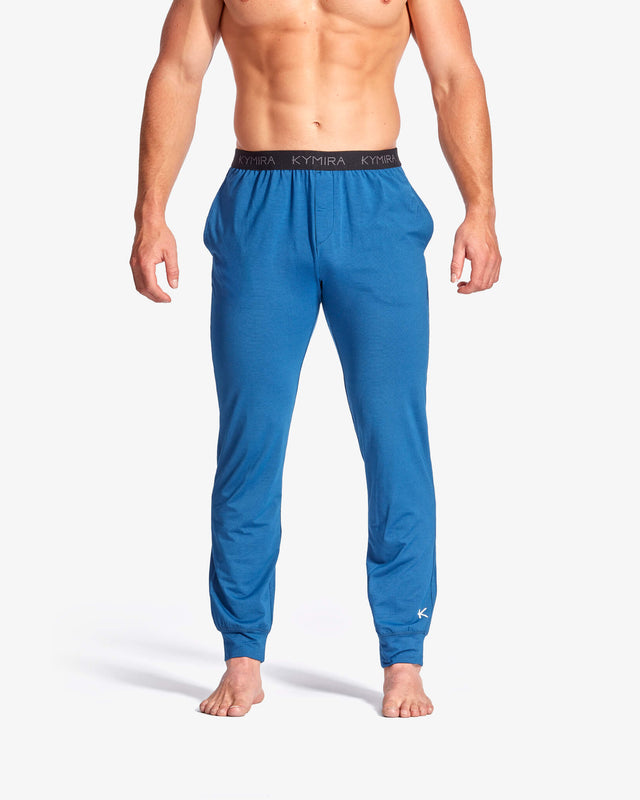
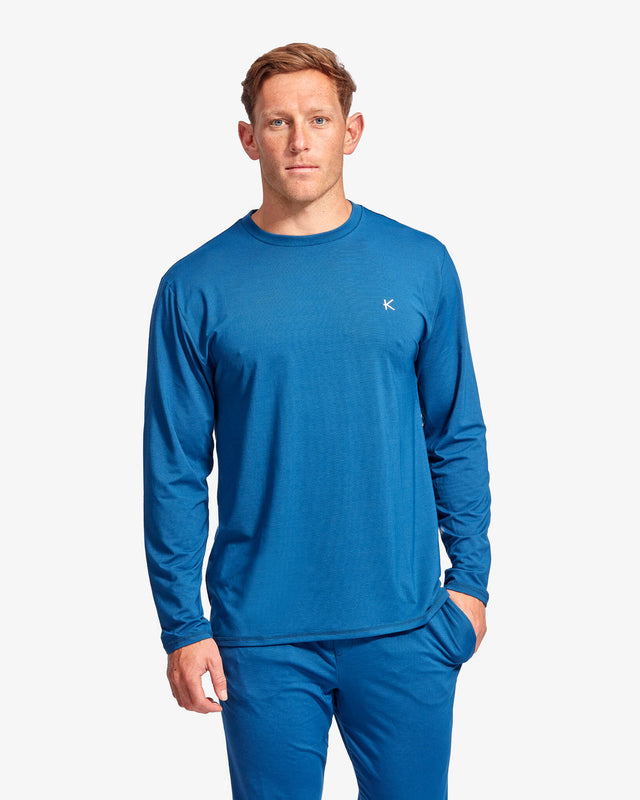
Try KYMIRA Infrared Sleepwear

References
[1] https://acsm.org/top-fitness-trends-2026/
[2]https://pmc.ncbi.nlm.nih.gov/articles/PMC5624990/
[3]https://pubmed.ncbi.nlm.nih.gov/40473231/
[4]https://pmc.ncbi.nlm.nih.gov/articles/PMC11439429/
[5]https://kymira.com/pages/the-applied-benefits-of-kymira-infrared-for-sport