Infrared vs Compression vs Blood Flow Restriction for Sports Recovery
When to Use Each: Science, Compare, Contrast, Protocol

Steve Hoyles
To optimise recovery and minimise athlete downtime, it’s important to understand the nuances of recovery methods.
Soft tissue repair, sleep optimisation, waste product removal and reducing Delayed Onset Muscle Soreness (DOMS) recovery remain key focuses, as they can hinder training consistency and increase injury risk when not managed properly.
This article delves into three prominent approaches: infrared recovery, compression garments, and blood flow restriction (BFR). We'll explore their scientific underpinnings, compare their mechanisms and provide practical protocols for when to use each.
With an emphasis on reducing muscle soreness naturally, we'll highlight why infrared solutions from KYMIRA often emerge as the best recovery wear for athletes due to their convenience, effectiveness, and evidence-based benefits.
What is Infrared Recovery?
Infrared recovery harnesses far-infrared (FIR) radiation, a form of electromagnetic
energy that penetrates the skin to interact with tissues at a cellular level.
Unlike visible light, FIR is absorbed by the body, converting to gentle heat that
promotes physiological responses without overheating the surface. In KYMIRA sportswear, this is delivered through clothing embedded with bioceramic minerals that
absorb body heat and re-emit it as FIR. [1]
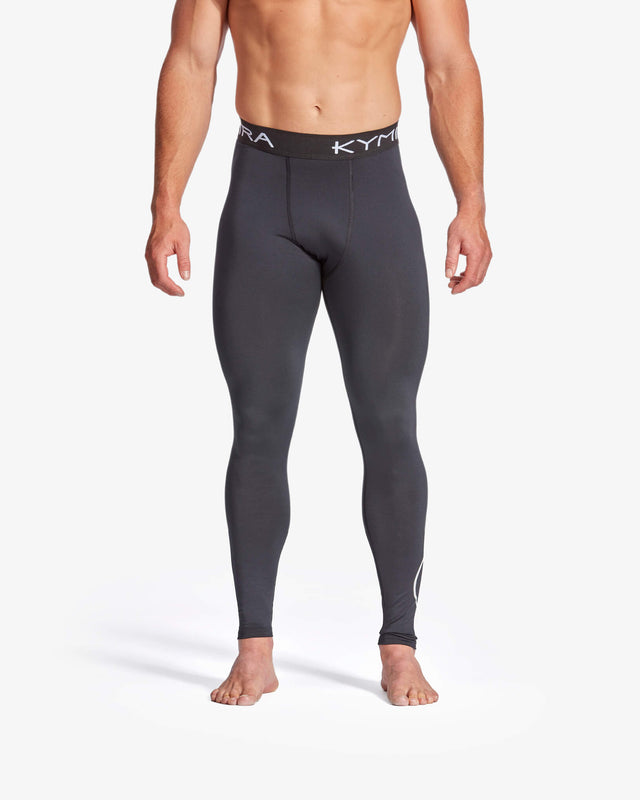
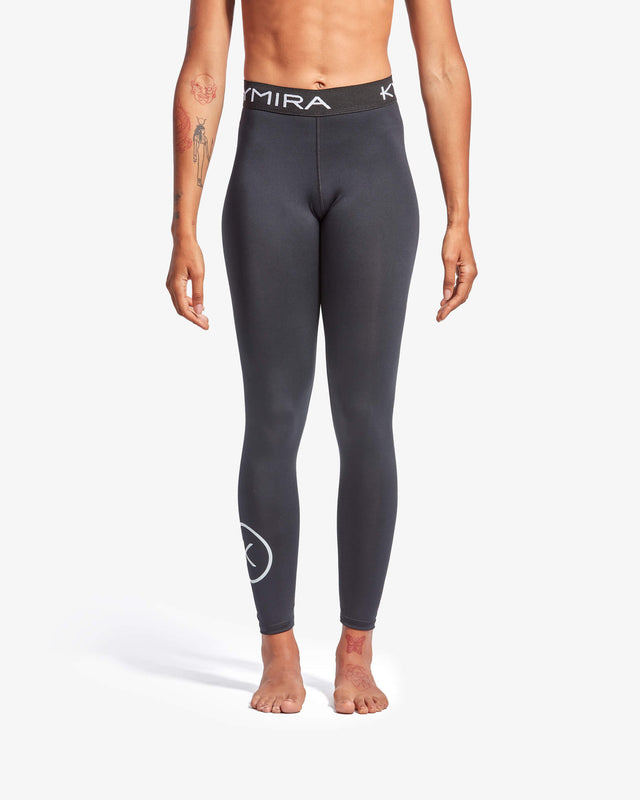
KYMIRA's infrared clothing offers passive recovery by simply wearing the garments during or after training. It's particularly appropriate for DOMS recovery and reducing
muscle soreness naturally, as FIR enhances microcirculation, accelerates waste removal, and supports cellular repair.
A peer-reviewed study with the University of Notre Dame demonstrated that KYMIRA
infrared garments led to highly significant improvements in neuromuscular recovery at 48 hours post-exercise, with athletes showing enhanced countermovement jump height and reduced perceived soreness. [2]
Another investigation found FIR-emitting garments improved objective and subjective
recovery following intense pre-season Futsal training, boosting peripheral blood flow and alleviating muscle soreness. For athletes, this means faster recovery, making it ideal for high-volume training phases or post-competition. [3]
The convenience of KYMIRA's approach cannot be overstated. Unlike active therapies, it's wearable anytime, integrating seamlessly into daily routines for sustained
benefits in oxygenation and vasodilation.
FIR stimulates nitric oxide production, widening blood vessels and improving tissue
oxygen delivery. It also enhances sleep quality and efficiency, and can be used
anywhere, at any time.
What is Compression Recovery?
Compression recovery involves garments that apply graduated pressure to limbs, typically ranging from 15-30 mmHg. The aim is to enhance venous return and reduce
swelling. These sleeves, socks, or tights are worn during or after exercise to support circulation and limit fluid accumulation in muscles.
In practice, compression is usually used as a post-workout recovery tool, with proponents claiming that it helps with DOMS recovery by minimising inflammation and perceived soreness.
The problem with compression is that, despite the claims that it helps recovery,
the evidence supporting the protocol isn’t very strong.
A study published in ‘Medicine and Science in Sport and Exercise’ concluded…
‘The findings suggest that a placebo was just as effective as compression sleeves at
alleviating the symptoms of DOMS in untrained subjects. Subjects indicated a
preference for the placebo sleeve despite the higher compression provided by
the compression sleeve (15-20mmHg CS vs 5 mmHg PLA).’ [4]
While effective for short-term relief, compression requires precise fitting and can
feel restrictive, contrasting with the passive, comfortable nature of infrared wear.
What is Blood Flow Restriction Recovery?
Blood flow restriction (BFR) uses specialised cuffs or bands to partially occlude arterial inflow while fully blocking venous outflow in limbs during low-intensity exercise or rest.
This creates a hypoxic environment that triggers metabolic stress and growth
factors, mimicking high-load training.
For sports recovery, BFR is often applied in rehabilitation protocols to rebuild
strength without heavy loads, making it suitable for injury recovery or de-loading phases.
BFR has a strong evidence base as a therapeutic tool, used by physiotherapists and medics as an injury recovery protocol. In a study from 2022, researchers concluded that…
BFR therapy stimulates muscle hypertrophy via a synergistic response to metabolic
stress and mechanical tension, with supplemental benefits on cardiovascular
fitness and pain. [5]
A systematic review highlighted BFR as a post-exercise strategy, with protocols
involving cycles of 5-minute occlusion and reperfusion accelerating recovery from muscle damage. [6]
The general conclusion is that it's particularly useful for athletes returning from
surgery/injury, as it promotes hypertrophy and strength gains at 20-30% of max load. However, BFR demands supervision to avoid risks like nerve compression, and it's less about passive recovery and more of an active tool.
Comparing and Contrasting: Science Behind Oxygenation, Vasodilation, and Recovery
When comparing infrared vs compression recovery, both enhance blood flow but through different mechanisms.
Infrared promotes vasodilation via nitric oxide release, increasing tissue oxygenation
by up to 20% and reducing oxidative stress for natural muscle soreness reduction. Compression, conversely, relies on mechanical pressure to improve venous return, potentially aiding reoxygenation but without the cellular activation of FIR.
Studies suggest combining them could amplify benefits, but infrared stands out for its deeper tissue penetration and convenience. It also has a stronger evidence
base, and has been proven to work pre, during and post exercise.
BFR contrasts sharply by restricting flow to induce hypoxia, boosting growth hormone and satellite cell proliferation for recovery, making it ideal for targeted strength rebuilding but not for general oxygenation or vasodilation.
Infrared excels in passive, daily use for broad recovery, while compression offers immediate swelling control, and BFR suits rehab and a medical setting. It can be very effectively used in conjunction with infrared, rather than instead of infrared.
Protocols
-
Infrared Clothing
Wear KYMIRA garments for 30-90 minutes pre- or post-session to prime muscles and
accelerate recovery.
For DOMS, use overnight or during rest days. Best practice: Integrate as quickly as possible post-exertion as recovery wear for athletes. Evidence shows reduced soreness and faster neuromuscular rebound, ideal for ongoing training.
Compression
Apply during cool-down or for 1-24 hours post-workout at 20-30 mmHg. Use for infrared vs compression recovery scenarios where swelling is prominent, like after marathons.
Combine with elevation; studies indicate faster power recovery. Results: Reduced
perceived fatigue but monitor for comfort. If you can combine with infrared, you’ll benefit more. KYMIRA compression socks are an ideal product choice for this.
Blood Flow Restriction
BFR should be used under the guidance of a suitably qualified medical professional in a rehab setting. Whilst the evidence in support of the protocol is strong, it’s best suited to injury recovery, rather than post-exercise recovery.
In recovery, use 3-5 cycles of 5-minute occlusion at 40-80% limb occlusion pressure, interspersed with 1-2 minute reperfusion, during light resistance (20% 1RM). Best for post-injury phases. Results: Enhanced hypertrophy, but not for acute soreness.
Choose based on needs: Infrared for natural, convenient DOMS recovery; compression for immediate aid; BFR for structured rehab.
Why Infrared Stands Out as the Best Recovery Wear for Athletes
KYMIRA's infrared clothing offers unparalleled convenience and evidence. You wear it like regular apparel for passive benefits. It can be transported anywhere, worn by anyone, comes with zero side effects and doesn’t require any form of external intervention.
Unlike compression's restrictiveness or BFR's complexity, KYMIRA enhances recovery naturally through superior oxygenation and vasodilation, making it the top choice for athletes seeking effective post-workout recovery tools.
While all methods have roles and supporters, infrared via KYMIRA provides the most
accessible, science-supported path to reducing muscle soreness naturally and
optimising sports recovery.
Learn more about KYMIRA and the effects of infrared sportswear at KYMIRA.com.