Case Study: Mark Pavlik
Head Coach, Mens' Volleyball PSU

MARK PAVLIK / COACH PAV
Head Coach, Men's Volleyball, Penn State University
NCAA Division I | 30+ Years Experience | 700+ Career Wins
Team Deployment
Recovery, Travel, Sleep, + Training Adoption
"Availability and recovery are inseparable from performance. Recovery has become part of how our athletes prepare, not just how they respond. The passive nature is huge. No extra time, no extra staff - it just works in the background."
Mark Pavlik
Head Coach, Men's Volleyball, PSU
PROBLEMS TO SOLVE
Load Profile: Repeated high impact jumping, rapid change of direction, congested match weekends
Constraints: Limited time between matches, long bus travel, restricted post game recovery opportunities
• How to extend recovery support beyond the facility
• How to manage recovery during travel and between closely scheduled matches
• How to do so without adding labour, sessions, or compliance burden
“When we saw what the technology was doing — and that it made scientific sense — we said, let’s give this a shot.
If you can put on a pair of pants, you’re in good shape.”
Mark Pavlik
Head Coach, Men's Volleyball, PSU
KYMIRA INTERVENTION PROTOCOL
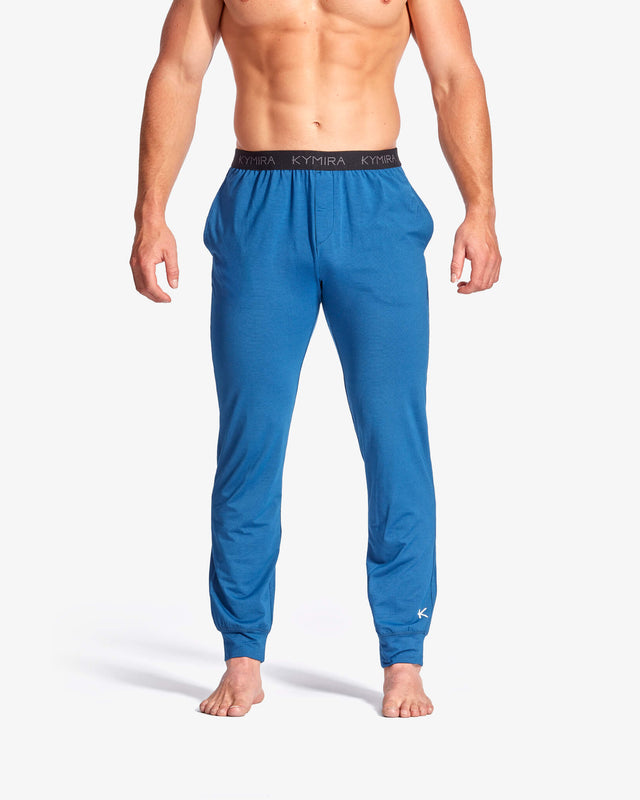
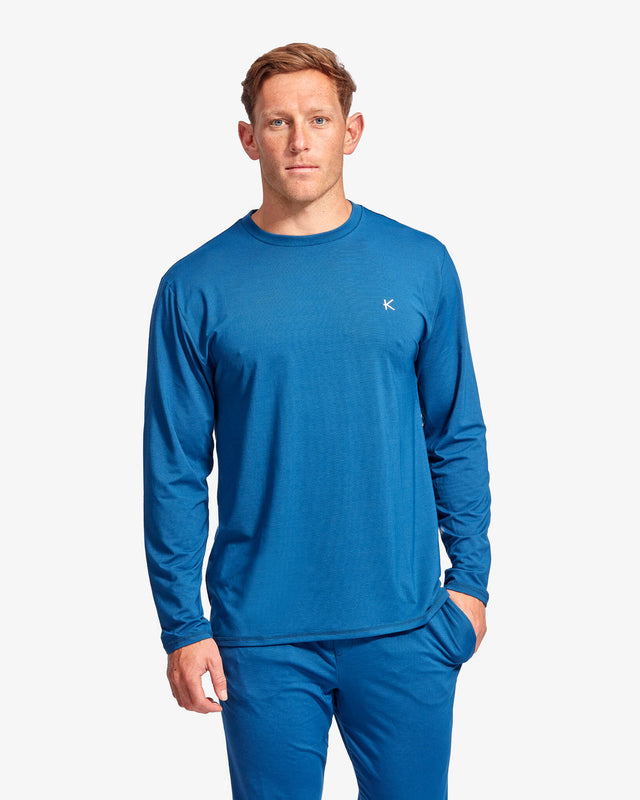
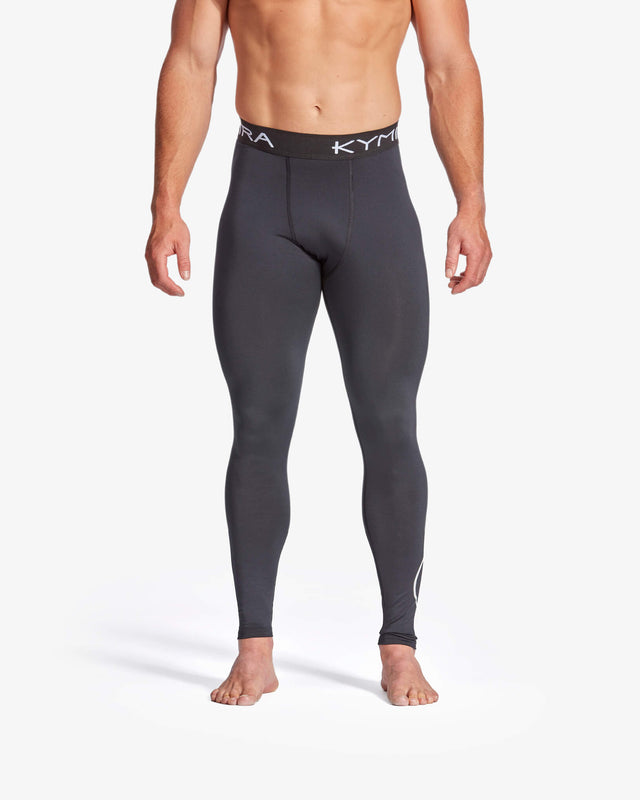
KYMIRA® recovery baselayers and socks immediately post-match and during travel.
KYMIRA® sleep kit for overnight recovery.
• Sustained adoption accross 5+ seasons
• Training session adoption (athlete driven by experience)
METHOD
• Force-plate performance recovery and back to readiness measured by their Strength and Conditioning coaches.
• Athlete opinion, adoption and personal tracking
IMPLEMENTATION NOTES
• Issued as standard kit to incoming freshmen
• Embedded via team culture and senior leadership, not mandated but high adoption without enforcement driven by positive athlete experience
• Adoption accross other areas of the ecosystem, such as during training, supported, as athletes and coaches drive more towards athlete longevity, availability, durability and performance health-span
“KYMIRA helps us start recovery earlier, especially during travel, without adding extra sessions or staff time. The more oxygen you give muscles, the better it adapts to what you are asking them to do. They get back to normal more smoothly”
Mark Pavlik
Head Coach, Men's Volleyball, PSU
RESULTS
Earlier initiation of recovery following matches and training
Athletes recover and return to baseline faster and more easily. This is seen measured objectively with force-plate performance readiness trends seen by their Strength & Conditioning coaches.
Improved comfort and reduced stiffness during long travel (5+ hour bus journeys)
High athlete compliance through passive, wearable recovery
Consistent adoption across multiple recruiting cycles (5+ years ongoing)
“Our athletes will tell us if something doesn’t work. We’ve never had negative feedback.
It’s just become part of the routine."
Mark Pavlik
Head Coach, Men's Volleyball, PSU
CLINICAL EVIDENCE SUPPORT
The observations at Penn State are consistent with KYMIRA’s clinical evidence base showing that far‑infrared (FIR) textiles increase local blood flow and tissue oxygenation (tcPO₂) within ~30–90 minutes of wear, supporting recovery readiness following rest and sleep (Gordon et al., 2019; Washington et al., 2018). Early HRV stabilisation and improved sleep continuity align with overnight infrared exposure, where enhanced circulation and oxygen delivery plausibly support neuromuscular recovery and next‑day readiness outside the training environment (Lever et al., 2025). Reported reductions in travel‑related stiffness and joint discomfort are supported by infrared‑mediated improvements in circulation and pain modulation (Djuretić et al., 2021). Sustained energy and “fresher” perceived readiness across congested days are coherent with sport physiology findings showing reduced oxygen cost (VO₂) during sub‑maximal work in FIR garments, linked to nitric‑oxide‑mediated vasodilation and downstream mitochondrial and angiogenic signalling supporting ATP availability (Worobets et al., 2015; Bond et al., 2026). Collectively, KYMIRA recovery trials demonstrate highly significant improvements in neuromuscular performance and recovery readiness within 24–48h post‑load, supporting athlete availability, durability, and long‑term. performance health‑span (Lever et al., 2025).
Selected references: Worobets et al., 2015; Washington et al., 2018; Gordon et al., 2019; Djuretić et al., 2021; Lever et al., 2025; Bond et al., 2026