Why Your Muscles Recover While You Sleep
The Overlooked Link Between Blood Flow & Night-Time Recovery

Steve Hoyles
It has long been established that sleep is the bedrock of recovery. Every known physiological process is improved with high-quality sleep, so athletes and performance departments are placing additional importance on maximising sleep efficiency.
Muscle repair, endocrine regulation and overall recovery accelerate largely thanks to
enhanced blood flow and physiological processes that peak overnight.
We know that disrupted sleep leads to prolonged soreness, fatigue, and performance decline [1]. By improving sleep, we enhance athletic and cognitive capabilities, improving performance and recovery [2]. We also reduce subsequent injury risk.
One of the easiest, yet most effective ways to improve sleep quality and efficiency
is to incorporate infrared sleepwear overnight.
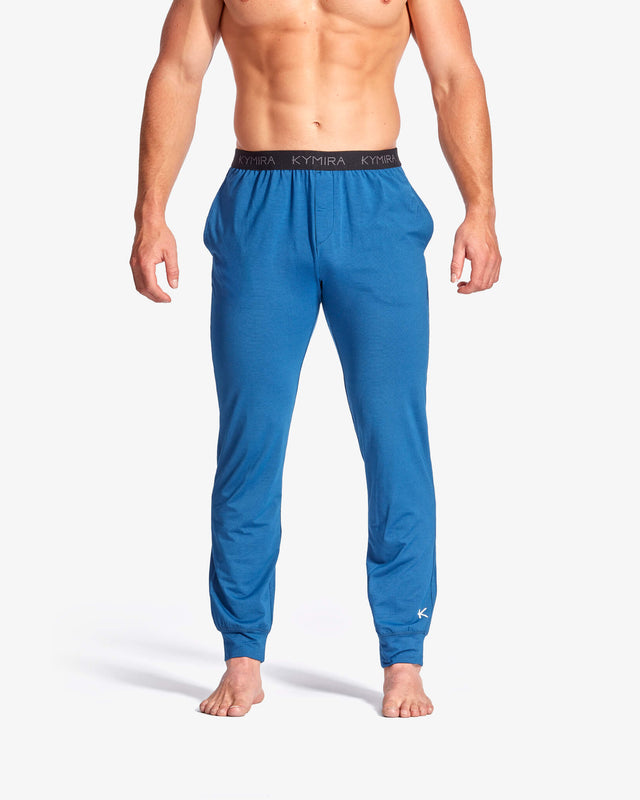
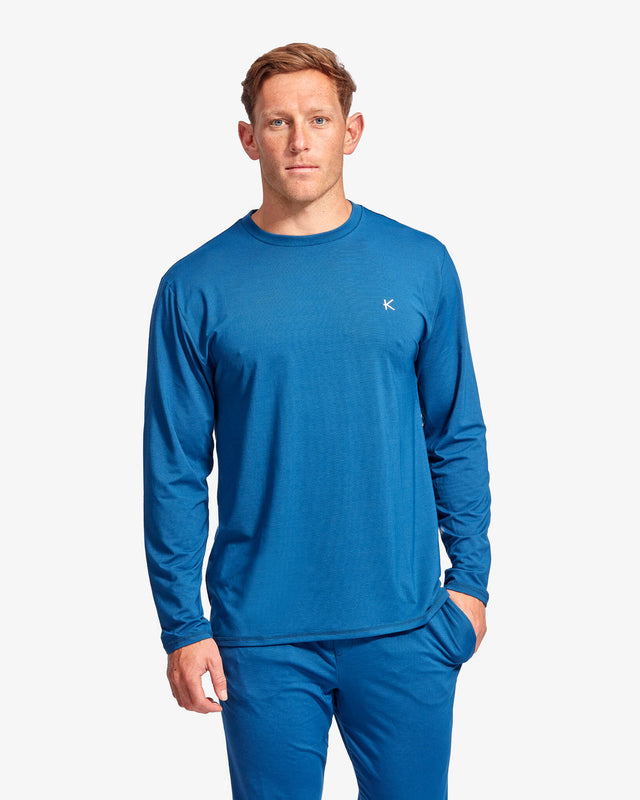
KYMIRA’s infrared sleepwear garments harness wasted heat and light energy to boost circulation, improve sleep quality, and optimise recovery. Backed by science, this passive tool could be the missing link in your routine.
Let's explore the physiology behind nighttime muscle recovery and how infrared
clothing elevates it.
The Physiology of Muscle Recovery Overnight: Why Sleep is Non-Negotiable
We have clear evidence that high-quality sleep enhances muscle repair and recovery
[3]. We also know that impacted sleep has a negative impact on muscle strength and function, reducing athletic performance [4].
The physiology of muscle recovery is more complex than just resting. We must prime
the body so that it can repair itself as well.
During sleep, your body shifts into repair mode, prioritising tissue regeneration and
hormonal balance. Deep sleep stages, particularly slow-wave sleep (SWS), trigger the release of growth hormone (GH), which stimulates protein synthesis and muscle repair [5].
Sleep also regulates anabolic and catabolic hormones: testosterone and insulin-like
growth factor-1 (IGF-1) promote building, whilst cortisol can break down muscle
if unchecked. Insufficient sleep disrupts this balance, increasing protein degradation and hindering recovery, potentially leading to muscle atrophy.
Several studies show that total sleep deprivation after exercise-induced muscle damage alters inflammatory and hormonal responses, delaying strength recovery.
Circadian rhythms further influence skeletal muscle metabolism; poor sleep causes
misalignment, reducing protein synthesis rates and impacting lean mass. Blood
flow to muscles increases during deep sleep, delivering oxygen and nutrients for repair whilst clearing metabolic waste.
Without adequate sleep (7-9 hours), recovery suffers, raising injury risk and
diminishing performance.
The Overlooked Link: Blood Flow's Role in Night-Time Recovery
Enhancing circulation is the unsung hero of overnight recovery. When you wear infrared
clothing, you stimulate Nitric Oxide (NO) production. As a key vasodilator, NO relaxes blood vessels to improve circulation, reducing inflammation and accelerating healing.
Vasodilation is particularly helpful post-exercise as it transports nutrients, oxygen, and repair agents to damaged tissues, as well as helping to remove exercise byproducts such as lactic acid.
KYMIRA's infrared fabrics enhance blood flow without raising skin temperature. This
boosts oxygen delivery, aiding muscle repair and reducing delayed onset muscle soreness (DOMS). The thermoregulation also helps to maintain sleep quality.
Research on FIR garments shows improved neuromuscular recovery post-exercise, with better jump performance and reduced fatigue, attributed to enhanced peripheral
blood flow and tissue oxygenation [6]. For night-time use, this means amplified recovery whilst you rest.
Infrared as an Effective Sleep-Enhancing Tool: Science-Backed Benefits
Infrared fabrics are a potent sleep aid. Promoting relaxation through gentle warmth and improved circulation, it helps shift the body into parasympathetic mode,
essential for deep sleep.
Studies on FIR-emitting sleep products reveal significant improvements in sleep
quality, reduced fatigue, and better recovery [7].
Mastering Sleep Hygiene: Evidence-Based Tips to Maximise Recovery
To amplify infrared's benefits, adopt solid sleep hygiene practices. These routines create an environment conducive to quality rest, supported by research.
Consistent Schedule: Go to bed and wake at the same time daily, even at weekends, to regulate circadian rhythms.
Bedtime Routine: Wind down with relaxing activities like reading or deep breathing, avoiding screens 30-60 minutes before bed.
Optimise Environment: Keep your bedroom cool (16-19°C), dark, and quiet; use earplugs or white noise if needed.
Daytime Habits: Exercise regularly but not too close to bedtime; limit caffeine and alcohol in the evening.
Stress Management: Incorporate meditation or journaling to reduce worries, as stress disrupts sleep.
Poor sleep hygiene correlates with increased sleep problems and mental health
issues, so these steps are vital. Pair them with KYMIRA infrared sleepwear for
synergistic effects.
Elevate Your Recovery with KYMIRA Infrared Technology
Sleep is the foundation of muscle recovery, and when assisted by improved circulation
and thermoregulation, it takes physical restoration to another level.
Infrared clothing from KYMIRA enhances sleep naturally and passively, improving circulation and sleep quality without risk. Whether you're an athlete or managing daily
demands, integrating FIR sleepwear could transform your nights and performance.
Explore KYMIRA's range today at KYMIRA.com and unlock the power of restful, science-backed recovery.
References
[1] https://pmc.ncbi.nlm.nih.gov/articles/PMC8072992/
[2] https://pubmed.ncbi.nlm.nih.gov/21731144/
[3] https://pubmed.ncbi.nlm.nih.gov/34074604/
[4] https://ciss-journal.org/article/view/9347
[5] https://pmc.ncbi.nlm.nih.gov/articles/PMC7785053/