


The Summer Race Survival Guide:
Heat, Travel, Sleep

Steve Hoyles
Elite sports teams face a perfect storm in summer racing seasons: extreme heat that
impairs endurance and power output, long-haul travel that disrupts circadian
rhythms and recovery, and the need for high-quality sleep to maintain peak
performance.
For coaches and performance staff supporting athletes in events ranging from track and field to endurance races or team competitions in hot climates, a comprehensive toolbox is essential, but not easy to come by – you can’t travel with technologies such as ice baths and sauna.
Integrating evidence-based heat mitigation, travel protocols, and recovery strategies (including advanced thermoregulatory clothing) can minimise performance decrements and reduce injury or illness risk, so new, more practical solutions must be found.
The Impact of Long-Haul Travel and Jet Lag on Performance
Crossing multiple time zones disrupts the body’s internal clock, leading to misalignment between circadian rhythms and the new environment. This results in reduced total sleep time, lower sleep efficiency, increased fatigue, and impaired
cognitive and physical outputs.
Studies show jet lag negatively affects mood [1], reaction times, neuromuscular
coordination, and measures like peak muscle force or anaerobic power. Even
without full jet lag, travel fatigue compounds these issues through dehydration, stiffness, reduced mobility, and elevated inflammation.
Performance decrements can persist for days, with eastward travel often proving more disruptive.
Actigraphy data from athletes reveal significant drops in time in bed and sleep quality in the 48 hours post-travel. For elite teams, this translates to slower recovery,
higher perceived exertion, and suboptimal race readiness. [2]
A practical 72-hour protocol for managing travel fatigue includes strategic light
exposure, timed melatonin or caffeine use, hydration, and light activity upon
arrival to accelerate resynchronization.
Best-practice toolbox for travel:
- Pre-flight: Shift sleep and meal times gradually toward destination time.
- In-flight: Stay hydrated, move periodically, and prioritise sleep alignment with destination night.
- Post-arrival: Maximise natural light exposure during daytime hours at the new location; avoid heavy training immediately.
- Passive support: Wear infrared base layers during flights to promote circulation, reduce stiffness, and support microcirculation, turning travel time into active recovery rather than pure downtime.
Heat Mitigation Strategies for Elite Performance
Heat stress increases core body temperature, elevates heart rate, accelerates fatigue, and raises the risk of exertional heat illness. Without preparation, athletes experience reduced time to exhaustion, impaired power generation, and higher perceived effort.
Here’s a protocol to improve athletic ability to cope in the heat. Whilst this isn’t always possible, it’s optimal.
Key strategies include:
Heat acclimation/acclimatization (HA): 10–14 days of repeated heat exposure induces adaptations like increased sweat rate, plasma volume expansion,lower heart rate and improved thermal tolerance. Maintenance with 1–2 intermittent heat training sessions per week helps sustain gains. [3]
Pre-cooling and per-cooling: Ice vests, cold fluid ingestion, or menthol strategies before and during efforts.
Hydration and electrolyte management: Monitor individual sweat rates and replace fluids precisely.
Pacing and tactical adjustments: Adjust race strategies for environmental conditions.
Clothing and thermoregulation aids: Choose garments that actively support the body’s heat management rather than just passive moisture wicking.
Thermoregulatory Properties of Fabrics
KYMIRA infrared fabrics provide a unique edge in thermoregulation.
Unlike standard clothing, KYMIRA’s bio-ceramic minerals embedded in the fibres absorb body heat and re-emit it as far-infrared (FIR) energy. This enhances
circulation and oxygenation, allowing the body to more efficiently transport
and distribute heat or promote cooling as needed. [4]
In cold conditions, KYMIRA fabrics warm faster and retain heat 63% longer. In
heat, they dry markedly quicker (+65%), facilitating evaporative cooling while
supporting overall thermoregulation and even heat distribution.
Athletes and teams have used these base layers effectively across extremes from -35°C to +48°C. Enhanced microcirculation from increased nitric oxide (NO) production
further aids this process by improving blood flow dynamics. [5]
Additional performance benefits of KYMIRA infrared technology include:
- Increased nitric oxide production, promoting vasodilation and better oxygen delivery.
- More efficient oxygen utilisation.
- Faster recovery and reduced muscle damage markers.
- Improved power generation and neuromuscular performance (e.g., higher eccentric peak torque and total work in relevant studies). [5
These effects stem from FIR stimulating endothelial nitric oxide synthase (eNOS),
with downstream benefits for endurance and tissue repair. Peer-reviewed work
supports faster subjective and objective recovery when wearing KYMIRA garments
post-resistance or eccentric exercise. [6]
SPF Benefits for Outdoor Racing
Summer races mean prolonged sun exposure. KYMIRA fabrics incorporate quartz dioxide, which absorbs harmful short-wavelength UV and converts it, providing a minimum SPF 35 rating alongside natural antimicrobial properties.
This built-in protection helps shield skin without relying solely on topical sunscreens, reducing irritation or reapplication needs during long events.
Circadian Overlays: Infrared for Passive Recovery on Planes and at Night
Sleep is the cornerstone of recovery yet travel and heat both disrupt it. Core body
temperature regulation is critical for falling and staying asleep; poor thermoregulation fragments sleep and reduces deep/REM stages.
KYMIRA infrared layers excel here as a passive tool. By enhancing circulation and
supporting thermoregulation, the fabrics help stabilise the microclimate during
rest. FIR-emitting garments have been shown to facilitate heat dissipation, modestly lower core temperature markers at key times, and improve sleep parameters such as increased REM sleep proportion and overall restorative quality.
Studies on FIR textiles during sleep report benefits to autonomic function, reduced
sweating in later phases, and better alignment with natural circadian cooling
processes. [7]
Wearing KYMIRA base layers or sleep-specific garments on long-haul flights and at night in hot destinations promotes passive recovery: increased NO supports
vasodilation and oxygen delivery, aiding tissue repair while athletes rest.
This is particularly valuable for countering travel-induced stiffness and
inflammation.
The technology works continuously from body heat. There are no devices or effort
required, making it practical for teams managing large groups.
For altitude or hypoxic overlays (common in some travel or training camps), elevated NO from infrared helps counteract natural declines in NO under low-oxygen conditions. Via the NO → sGC → cGMP pathway, it promotes vasodilation and enhances oxygen delivery to tissues, supporting adaptation. [8]
The Numbered Post-Race Protocol
Coaches should build a layered approach to help athletes deal with high temperature in
training and competition:
Pre-travel/Pre-race: Gradual circadian shifting, heat acclimation protocols tailored to individual responses, and daily wear of KYMIRA base layers to prime circulation and thermoregulation.
Travel phase: Infrared garments for in-flight recovery, hydration focus, and strategic rest.
Arrival and competition: Continue heat mitigation (cooling + acclimation maintenance), use KYMIRA for training/racing (thermoregulation + SPF + performance benefits), and prioritise nighttime wear for sleep quality.
Monitoring: Track sleep (actigraphy/HRV), core temperature responses, and subjective readiness to adjust dynamically.
KYMIRA infrared products integrate seamlessly into this framework. By boosting nitric oxide, enhancing oxygen efficiency, accelerating recovery, supporting
thermoregulation across extremes, and aiding circadian stability through
passive FIR effects, they offer a practical, evidence-backed advantage for
elite teams.
With summer races demanding resilience against heat, travel disruption, and recovery
demands, combining proven protocols with advanced thermoregulatory technology
helps athletes arrive fresher, perform stronger, and recover faster.
For athletes serious about marginal gains in challenging conditions, KYMIRA forms a
versatile part of the performance arsenal. The products are usable in base layers under race kits, during travel, or for overnight recovery.
Explore the full range of KYMIRA infrared sportswear to equip for summer dominance.
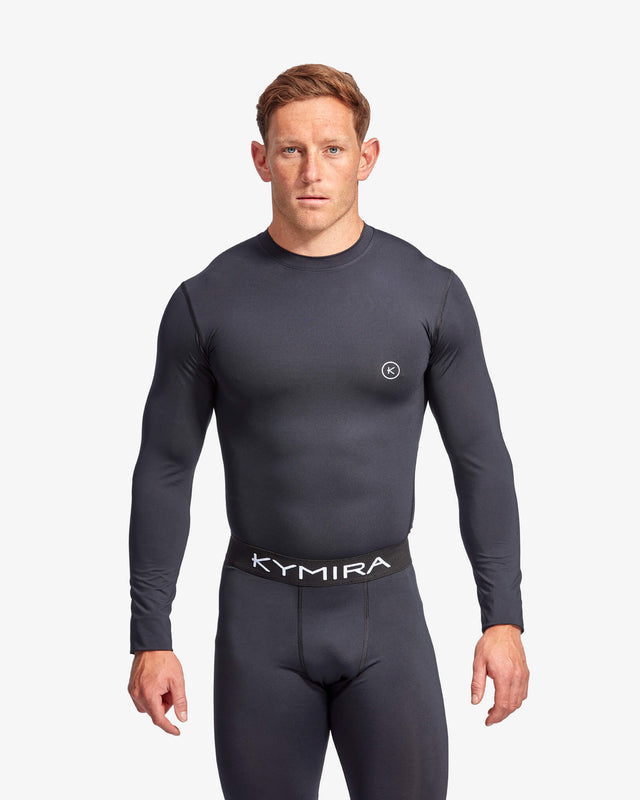
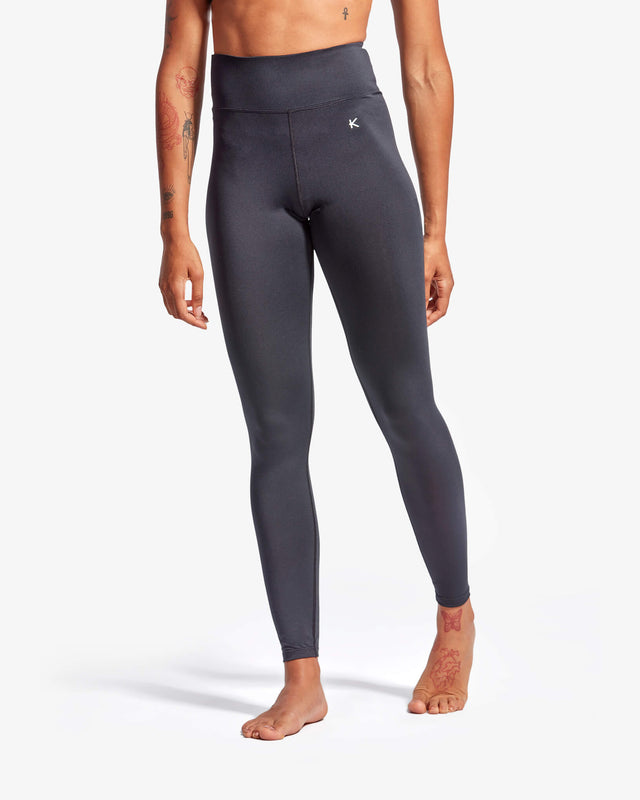
Try KYMIRA Infrared Performance Gear

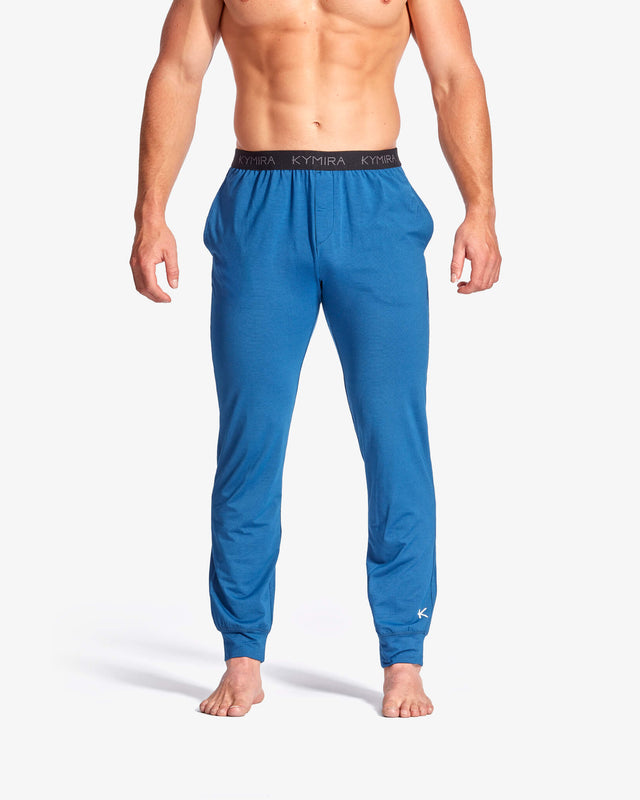
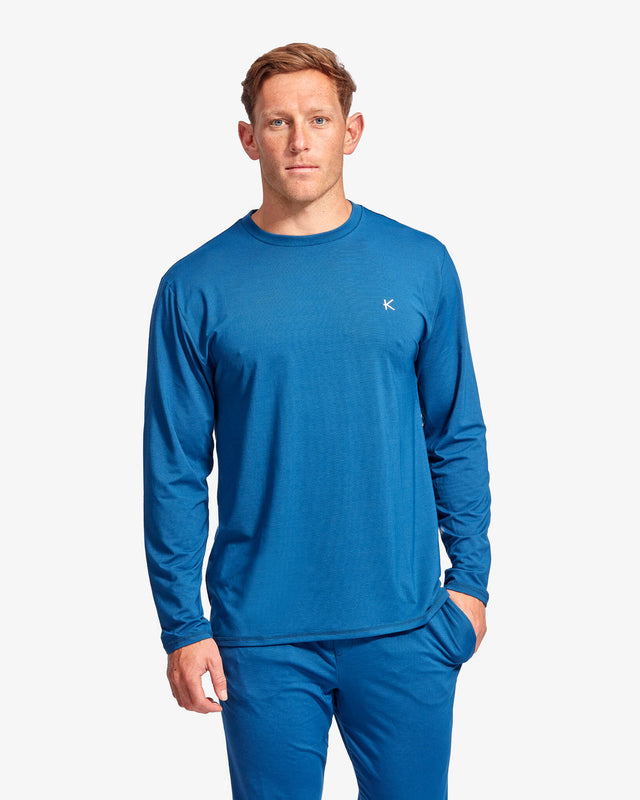
Try KYMIRA Infrared Recovery Sleepwear

References
[1] https://pmc.ncbi.nlm.nih.gov/articles/PMC3435929/
[2] https://www.sciencedirect.com/science/article/pii/S2451994423000147
[3]https://www.frontiersin.org/journals/physiology/articles/10.3389/fphys.2025.1380645/full
[4] https://kymira.com/pages/science-kymira-infrared-fabric
[5] https://www.premierinjuries.com/article/infrared-clothing-boost-injury-recovery-performance
[6] https://www.mdpi.com/2076-3417/16/1/143
[7] https://pmc.ncbi.nlm.nih.gov/articles/PMC12845630/
[8]https://www.frontiersin.org/journals/physiology/articles/10.3389/fphys.2024.1504978/full