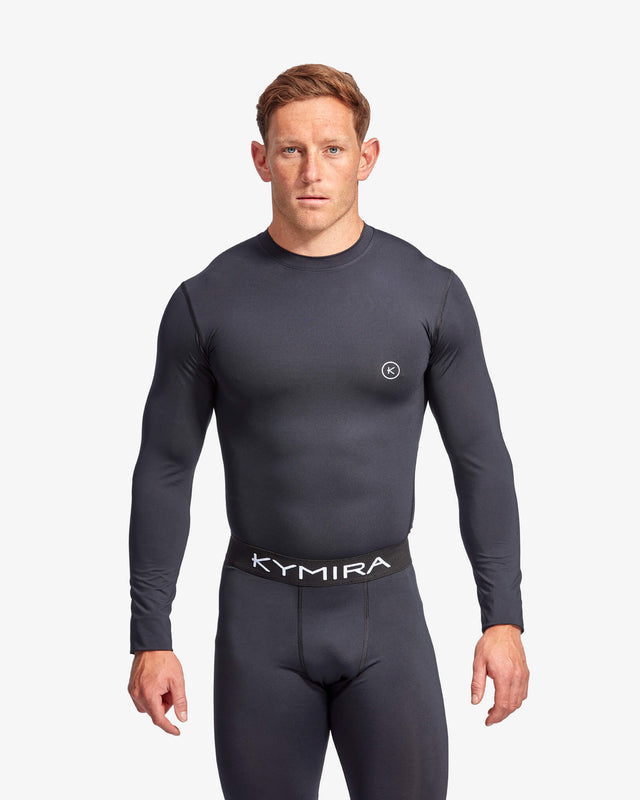
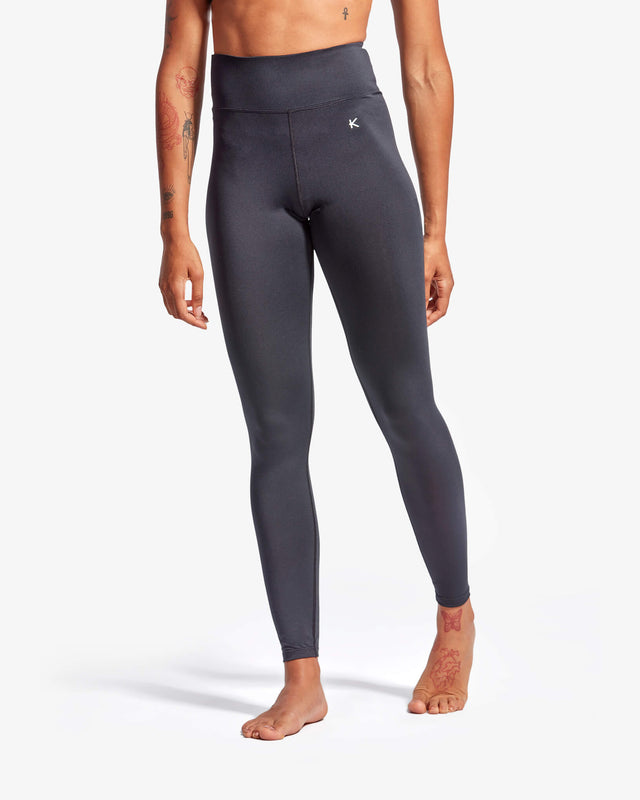
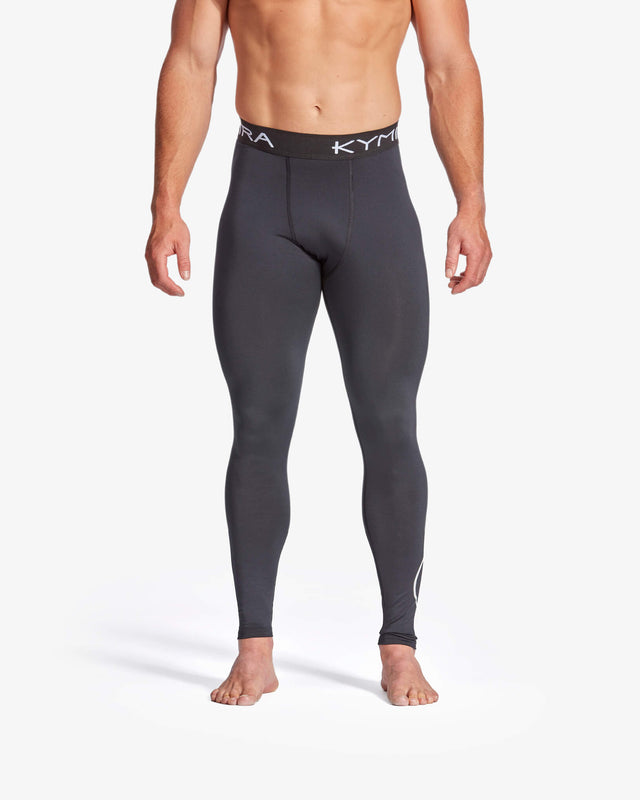
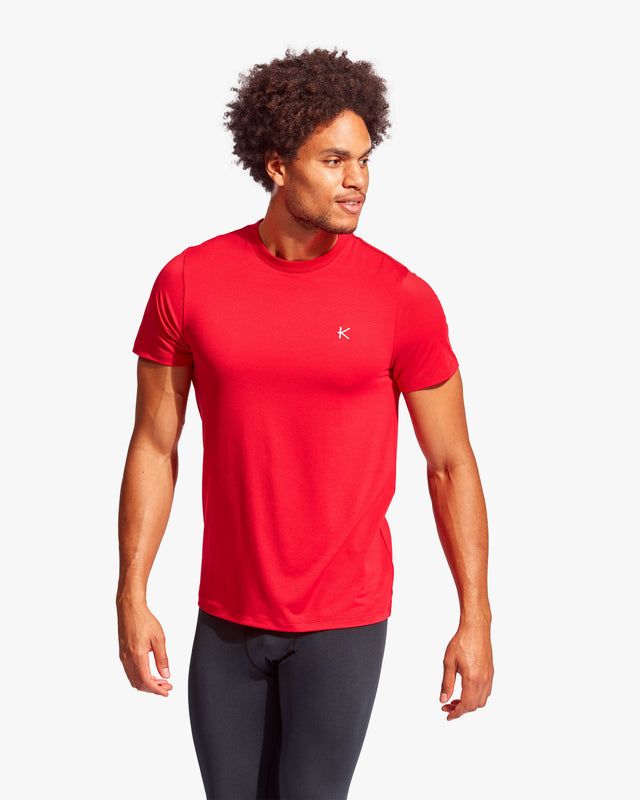
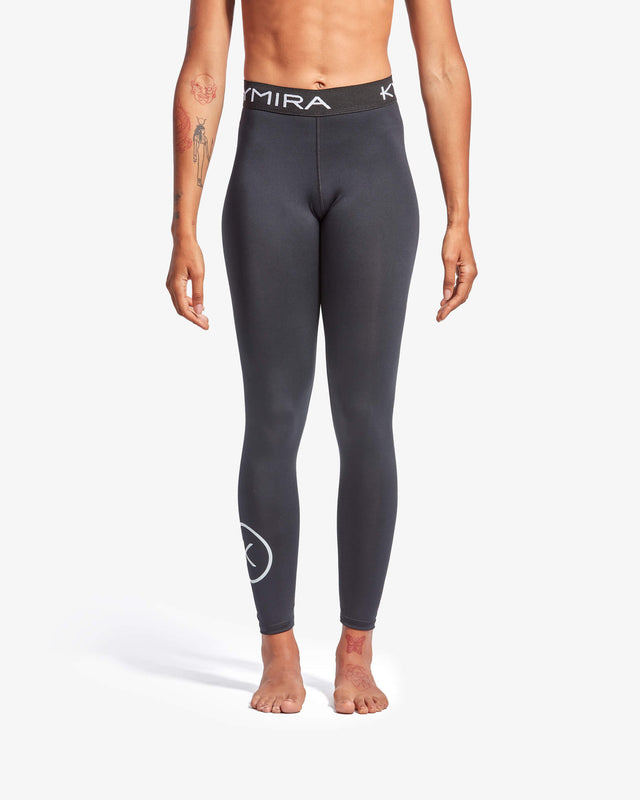
KYMIRA® Infrared Garments Shown to Amplify Exercise Adaptation Signalling in New Journal of Applied Physiology Research
About the Study
The effect of infrared radiation emitting garments on the acute skeletal muscle molecular signalling responses to high-intensity interval exercise
Institution
Loughborough University
Published In
Journal of Applied Physiology
The Journal of Applied Physiology is one of the world's leading publications in exercise physiology, human performance and applied biological sciences, publishing research into the mechanisms underpinning athletic performance and adaptation.
Loughborough University is internationally recognised as one of the leading sport and exercise science institutions globally and consistently ranks among the strongest sport research environments in the world.
What Did Researchers Investigate?
The study investigated whether wearing KYMIRA infrared garments before, during and after exercise could influence the molecular signalling pathways that control how skeletal muscle responds to training.
This is an important distinction.
Many studies investigate outcomes such as:
- How athletes feel
- Recovery scores
- Soreness
- Sleep quality
- Perceived fatigue
This study instead examined what was happening inside the skeletal muscle itself.
Participants completed high-intensity interval exercise before researchers analysed skeletal muscle tissue using muscle biopsies, allowing direct investigation of intracellular signalling responses.
The researchers also measured physiological variables including blood lactate and cardiovascular responses to account for alternative explanations and determine whether changes were simply due to a different exercise intensity or physiological load.
Key Findings
Athletes wearing KYMIRA infrared garments demonstrated significantly greater activation of several biological pathways associated with adaptation to endurance exercise.
Researchers observed increases in:
CaMKII Phosphorylation
Calcium/calmodulin-dependent protein kinase II (CaMKII) is a key signalling protein involved in regulating exercise adaptation and mitochondrial development.
The study found significantly increased activation within both cytosolic and nuclear compartments of skeletal muscle.
p38 MAPK Activation
p38 MAPK acts as an important regulator of cellular adaptation following exercise.
Increased activation suggests a stronger signalling response to training.
NRF1 Gene Expression
Researchers also observed increased expression of NRF1, a transcription factor involved in mitochondrial biogenesis and cellular energy metabolism.
Collectively, these findings suggest amplified signalling toward mitochondrial development and endurance-related adaptation.
Why Mitochondrial Biogenesis Matters
Mitochondria are often referred to as the “power plants” of cells because they produce the energy required for movement and physiological function.
For athletes, mitochondrial development is one of the key biological processes underpinning:
- Aerobic fitness
- Endurance performance
- Fatigue resistance
- Work capacity
- Recovery capability
The significance of this study lies in the fact that infrared garments appeared to amplify the signalling pathways responsible for initiating these adaptation processes.
Importantly, the study did not directly measure long-term performance improvements from training adaptation.
However, it demonstrated increased activation of the biological pathways known to contribute to those adaptations.
What Makes This Research Different?
Several aspects make this study particularly noteworthy.
Human Subjects
The research was conducted in humans rather than animal models or cell cultures.
Direct Muscle Analysis
Researchers utilised skeletal muscle biopsies rather than relying solely on subjective perceptions or external physiological markers.
Exercise-Specific Effects
The effects were observed during exercise and were not present under resting conditions.
This suggests an interaction between infrared exposure and exercise-induced adaptation processes.
No Increased Physiological Load
Researchers found:
- No increase in thermal stress
- No increase in cardiovascular load
This indicates that the amplified signalling response was not simply caused by participants working harder, getting hotter, or experiencing greater physiological strain.
How This Builds On KYMIRA Research
The adaptation study complements an expanding body of research investigating KYMIRA infrared technology.
Previous clinical studies have demonstrated:
Recovery
- 35% faster recovery (pre-publication Loughbourough University) at 48 hours following exercise
- Improved neuromuscular readiness
- Faster return to pre-exercise power output
Performance
- Up to 8.7% improvements in athletic performance (pre-publication Loughbourough University)
- Improvements in work output and average power
Oxygenation & Circulation
- Approximately 20% greater tissue oxygenation (tcPO₂)
- Increased nitric oxide production
- Improvements in circulation and microvascular function
Sleep & Wellness
- Improved sleep quality
- Reduced soreness and fatigue
- Enhanced recovery readiness
The new study helps explain some of the potential mechanisms behind these previously observed outcomes.
What Could This Mean For Athletes?
The study does not suggest that clothing replaces training.
Nor does it suggest guaranteed performance improvements.
Rather, it provides some of the first human mechanistic evidence indicating that infrared garments may influence how skeletal muscle responds to exercise.
In simple terms:
Training creates the signal. Adaptation determines the result.
The findings suggest that KYMIRA infrared technology may help support the biological environment responsible for turning training stress into adaptation.
If confirmed through future research, this could represent a significant development in how athletes, practitioners and researchers think about wearable performance technologies.
Reference
Bond J. et al. (2026). The effect of infrared radiation emitting garments on the acute skeletal muscle molecular signalling responses to high-intensity interval exercise. Journal of Applied Physiology. Published by the American Physiological Society.