


Sport Insights
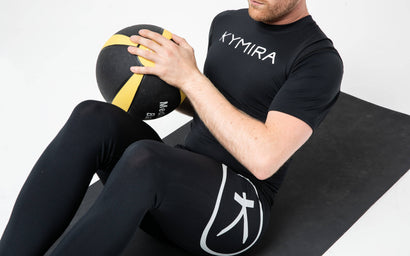
5 Core Exercises Every Athlete Should be Doing in the Gym
Core exercise is a hotly debated topic in strength and conditioning circles. Ignoring opinions, we've...

Using Exercise to Boost Mental Health – The Evidence-Based Approach
In this article we’re going to show you how evidence proves exercise and activity can...

The Scientific Approach to Recovering After Endurance, Marathon and Ironman Events
There’s a marked difference between the recovery you need on a day to day basis...
Veganuary, An Insight into Vegan Sport Nutrition with Paul Parker
Paul Parker, Physical Performance Coach at PRPerformance, explains the benefits of a vegan based diet...

Professional Athletes Winter Competition - Injury Prevention and Rehabilitation
If training loads and recovery strategies don’t adapt to winter conditions the injury risk to...

How Far Infrared Clothing Improves Sleep Quality
Regardless of your level of fitness, competition or athletic ability, sleep is a fundamental bedrock...
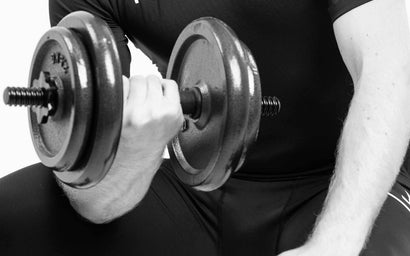
New Year Workout – Evidence Based Performance Programming
With the new year being a time for new starts, it’s the idea time to...
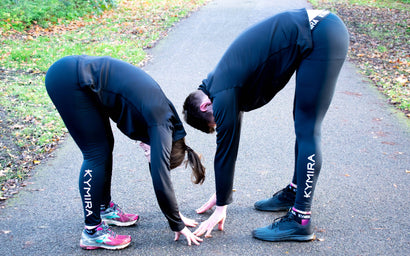
Dynamic Stretches for Triathletes
In this article, we’re going to look at what dynamic stretching is, then suggest some...

Professional Athletes Winter Training - Injury Prevention and Rehabilitation
The changing seasons provide a different set of challenges to the professional athlete, particularly as...

Returning to Training After the Festive Break - Doing it Properly
Coming back to training after a break can be daunting. Doing it the right way,...

FEELERS - Press Release Announcement
KYMIRA Ltd announces it will collaborate with Dycotec Materials and CPI to develop a scalable...
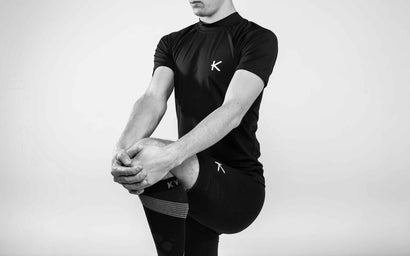
Post Christmas Exertion or Recovery Workout Routine – Doing it Properly
For most of us, training volume and intensity significantly slows during the Christmas period. Here's...

Nikki Love Runs Across Australia - Rehabilitation
Injury rehabilitation after running 2500 miles in 63 days. KYMIRA endorsed Adventure Runner, Nikki Love...
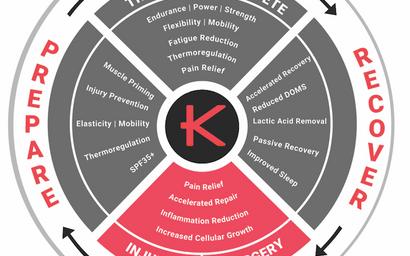
KYMIRA Sport KYnergy Eco System: Rehabilitate
The next instalment of our KYMIRA Sport KYnergy Eco System is the topic of ‘rehabilitate'...

Sleep is the New Currency of Fitness
Although it has been known for a long time that sleep is the bedrock of...
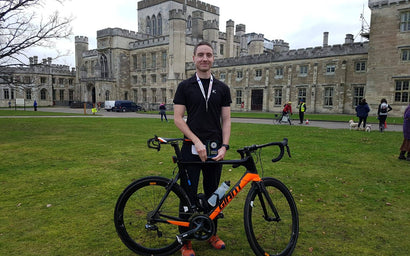
Hydration and Nutrition for Triathlons by Carl Vidgen
Triathlete and team KYMIRA athlete Carl Vidgen talks about how to stay hydrated and nourished...
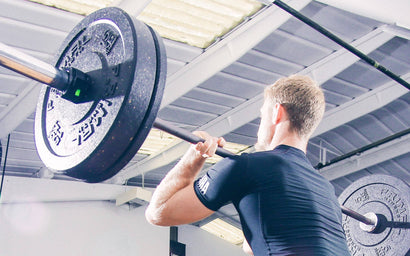
Improve Your Running Goals with HIIT
Understand how High-Intensity Interval Training, HIIT, can improve your sport performance. At the same time,...
3 Ways to Improve Your Performance for Endurance Sports
With the barrage of obstacle course events; half, full and ultra-marathons and growth in cycling and triathlons in the UK and around the globe; it is no surprise that people want to improve their endurance and mental fortitude. Events can vary from “short” sprint distances through to herculean courses that will test the toughest of athletes. When training for these events, a lot of people will focus solely on cardio routines like cycling or running. This shouldn’t be the case though, building in some power based routines will help build your lactate threshold, tolerance and mental fortitude as well. These 3 attributes are the keys to improving your endurance alongside your normal cardio routine: 1: Combine Strength Training Days with Cardio The more muscle tissue you get working, the more it will test your cardiovascular system and your heart. Rather than developing cardio-only workout routines make sure you integrate training days incorporating power based exercise as well. Most people will have one day for power based training, and another for endurance based cardio. Why not combine the two? You can start a routine with a bench press exercise, quickly linking with pull-ups and straight into a 1km run as hard as you can. Alternatively, you could try using a skipping rope for 60 seconds, followed immediately by leg squats, into an overhead press and finally sit-ups. Keep repeating the routine until the point of failure. Intense exercise takes a lot of energy and is a good test of your strength, endurance and mental fortitude. The more intense exercise you build into your routines, the quicker you’ll see improvements in your performance. 2: Try Fast-Paced, High Intensity Interval Training (HIIT) Interval training can be done in the gym or outside. The harder you train and the more muscle groups you activate, the more it will raise your heart rate and work the cardiac muscle tissue, which will help your endurance. A great general interval training session is a fartlek training. Fartlek is Swedish for “speed play” and as the name suggests; you intermix a long run with preset periods of flat out sprinting and then a slower paced recovery zones. For a gentler fartlek route, you can use pre-set distances to define where you sprint and where you rest. To make things harder, you can work with times (i.e sprint for 30 seconds every 1 km) as this will ensure that you are always working harder each session. Similar sessions can also be done on a bike or in a pool. To target specific muscle groups, you are better off basing your interval training in a gym. Combine routines to make a hybrid workout, intermixing different exercises to meet your goals. For example, combining an overhead press (“thruster”), bouncing pull-ups, and bicep curls are excellent hybrids. HIIT training is also excellent at boosting your metabolism where as a cardio-endurance only routine can actually reduce it as your body will try to conserve energy. *statement about why a boosted metabolism is good for endurance* To achieve this, you will still need to make sure that you are consuming enough energy and meeting your nutritional needs. We suggest reading our article how to improve your running with HIIT, this can be used in any sport. 3: Cut Down the Break Between Sets When training with predefined rest periods, in the gym between sets for example, you will often see rest periods prescribed of 30 – 60 seconds, longer if doing a longer set of exercise like a 1km row. As you get stronger and your endurance improves you can look to reduce these rest times instead of just increasing the weights. At the end of a session you should be exhausted, you should be sweating and out of breath. If you aren’t then you need to look at your routine. Reducing your rest periods is one thing that can be done to make the workout harder again to push your body further. Add these three elements to your training routine and you will find your performance improving with the work that you put in. Subscribe Today!

5 Mesmerising Cycling Routes Across the World
For those who want to adventure further, 5 cycle routes every cyclist should put on their...
Notice:
Any reference to pain relief, in any update does not apply to the U.S. market